A small-group AI app-building sprint for students ages 13 to 18. Bud helps each student cut one idea down, build a real first version, and leave with something they can open, share, and demo.
Parent-led application · Small-group launch session · Public demo outcome
Trackers, quizzes, calculators, flashcards, card decks, randomizers, simple games, and small project sites are all fair game. The rule is simple: small enough to finish in two days.
Reading logs, workouts, collecting, chores, or habits.
Trivia, study tools, review games, or niche tests.
A small calculator tied to a hobby, sport, or school topic.
Simple memory tools with focused subject matter.
Prompt decks, study decks, or decision helpers.
Generators, selectors, challenge tools, or idea wheels.
A browser game with clear rules and a finish line.
A compact site, catalog, or showcase around one interest.
Day one is idea narrowing and first build. Day two is polish, deployment, and demo. Bud guides the room aggressively enough to keep projects finishable.
Choose one idea and cut it to something real.
Prompt, build, test, and fix the first working version.
Keep only the features that matter to the first release.
Clean up the interface and squash the obvious bugs.
Publish to a class-hosted or public URL.
Each student presents what they built and learned.
This is serious, practical, and doable for the right student. The readiness bar is there to protect the class finish rate, not to be dramatic.
The guarantee does not apply if a student misses a session, arrives without setup completed, cannot access their AI account, does not bring a working laptop, refuses to narrow the idea, chooses a project outside the approved beginner lanes, or does not complete the assigned work blocks.
Launch your first real app in two days.
Build several real projects over a semester.
Stop talking about your app idea and prototype it.
Prepare a serious prototype for iPhone packaging and submission planning.
App Store Track does not guarantee App Store approval. Apple controls approval decisions.
A defined structure with real outcomes and boundaries.
Access is approved and supervised before class.
Students leave with evidence of work, not just attendance.
Bud Johnson“I do not teach kids to memorize code. I teach them to take an idea, cut it down, build it, and ship something real.”
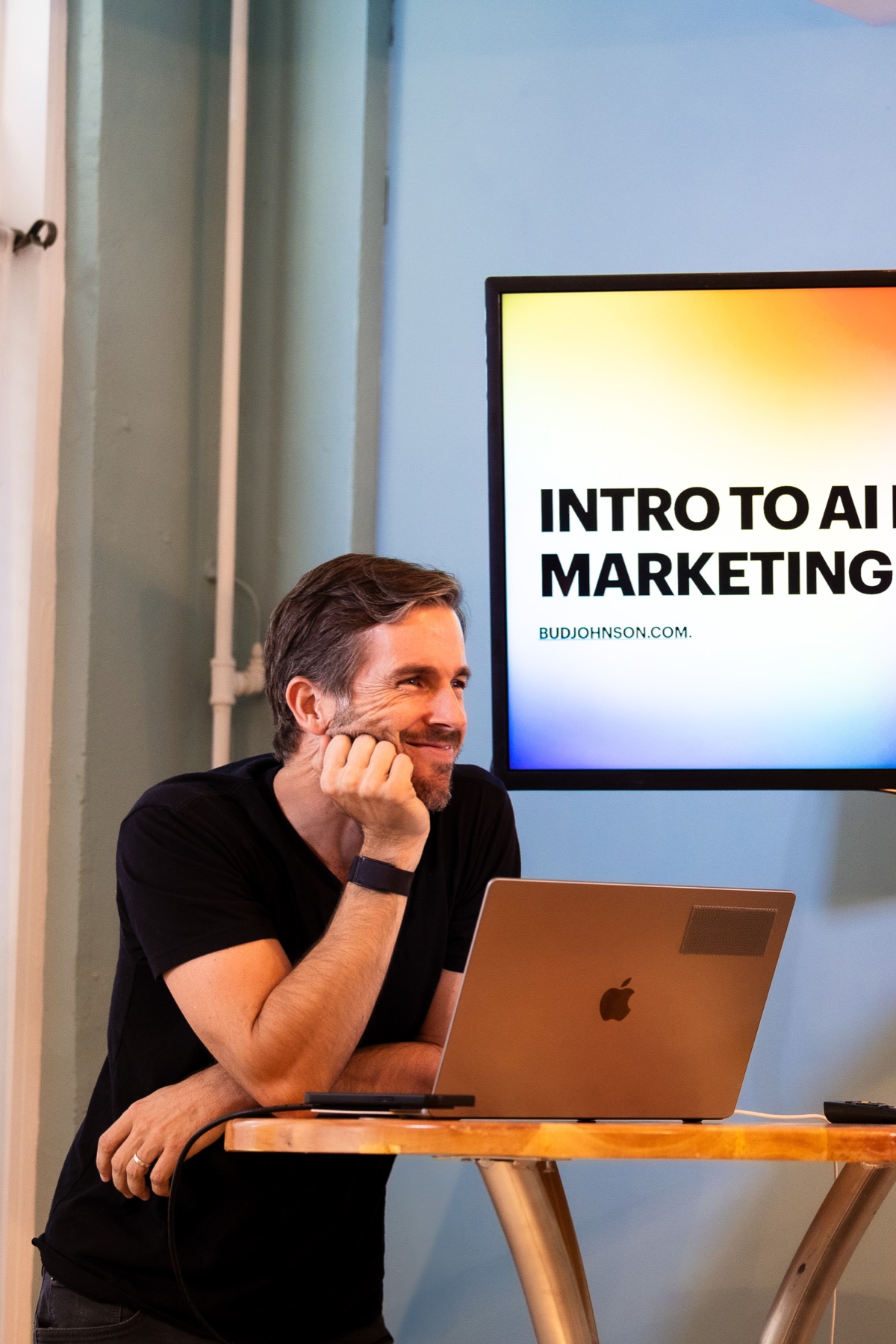
Bud Johnson is a Savannah-based photographer, entrepreneur, homeschool father, AI builder, and instructor behind Build Something Real.
The goal is simple: make sure your student is ready, the project lane fits, and the class is set up for real finish rates.
Tell Bud about your student and their setup.
Readiness, project lane, and date preference.
If it is a fit, Bud sends the next step.